Silent Auction Bid Sheet Template
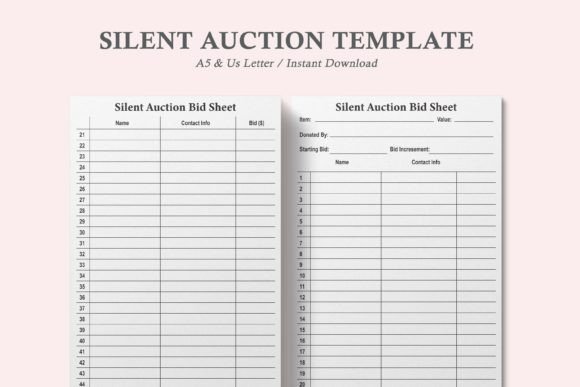
A silent auction is a popular fundraising method that allows participants to place bids on items without the need for live bidding. A well-organized bid sheet is essential for keeping track of all bids and ensuring a smooth event. The Silent Auction Bid Sheet Template offers a structured and easy-to-use solution for managing this process effectively.
What Is a Silent Auction Bid Sheet Template?
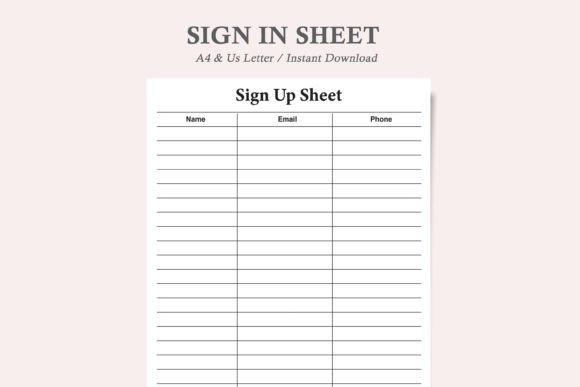
A Silent Auction Bid Sheet Template is a pre-designed document that helps organizers track bids during an event. It typically includes sections for item descriptions, donor information, starting bids, and bid increments. This template ensures that all necessary details are clearly presented, making it easier for bidders to participate and for organizers to manage the auction efficiently.
Why Different Audiences Care About It
The value of a Silent Auction Bid Sheet Template varies depending on who is using it. For beginners, it provides a straightforward way to set up an auction without the need for complex software. For professionals, it offers a reliable and customizable tool that can be adapted to different event sizes and requirements.
For educators, it can be a practical example of how to organize data and manage events. Small business owners may use it to streamline their fundraising efforts while maintaining a professional image. Hobbyists and consumers looking to host a community event can benefit from its simplicity and ease of use.
How Different Users Might Approach It
Beginners might focus on ease of use and clarity, preferring a template that requires minimal setup. They may look for a version that is ready to print or edit in a familiar program like Microsoft Word or Google Docs. Experienced users, on the other hand, may prioritize flexibility and customization options, such as different layout sizes or the ability to add unique fields.
Creators and marketers could appreciate a template that supports branding, allowing them to include logos or custom headers. Educators might use it as a teaching tool to demonstrate data organization and event management. Business owners may evaluate the template based on its reliability and how well it integrates with their existing processes.
Key Priorities for Different Users
When evaluating a Silent Auction Bid Sheet Template, users may have different priorities. For instance, someone organizing a small event might prioritize speed and simplicity, while a larger organization might focus on scalability and long-term usefulness. Cost is another factor—some users may prefer free templates, while others are willing to pay for premium features or support.
Quality and presentation matter for those who want to maintain a professional image. Flexibility is important for users who need to adapt the template to specific needs. Reliability ensures that the template works consistently across different devices and platforms. Learning value can be a consideration for educators or those looking to improve their organizational skills.
Practical Examples for Different Reader Types
A local charity group planning a fundraiser might use the template to keep track of bids on donated items. They would appreciate a clean layout that makes it easy for volunteers to manage the auction. A small business owner hosting an office event could use the template to create a fun and engaging activity for employees, focusing on ease of access and quick setup.
An educator teaching a class on event planning might use the template to demonstrate how to organize data and manage a project. A freelance event planner could customize the template to fit the specific needs of each client, valuing its adaptability and professional appearance. A hobbyist organizing a neighborhood garage sale might find the template useful for tracking interest in items without the need for complicated tools.
Choosing the Right Template for Your Needs
Before selecting a Silent Auction Bid Sheet Template, consider your goals and skill level. If you're new to organizing auctions, look for a template that is intuitive and requires minimal technical knowledge. If you're more experienced, seek out a template that offers advanced features and customization options.
Think about the size of your event and the number of items you'll be auctioning. Some templates are designed for small-scale events, while others can handle larger quantities. Also, consider whether you need a printable version or a digital one that can be shared online.
Finally, evaluate the template's overall usability. Does it make sense for your audience? Will it help you achieve your objectives efficiently? By taking these factors into account, you can choose a template that meets your specific needs and enhances your event experience.