Gratitude Journal for Kids Interior: A Practical Tool for Growth and Reflection
The Gratitude Journal for Kids Interior is a versatile resource designed to help children develop a habit of appreciation, self-expression, and emotional awareness. It serves as a structured yet flexible platform for young learners, educators, and parents to engage in meaningful reflection and creative activities. Whether used in a classroom setting, at home, or as part of a personal development plan, this journal integrates seamlessly into various workflows and learning processes.
Understanding the Gratitude Journal for Kids Interior
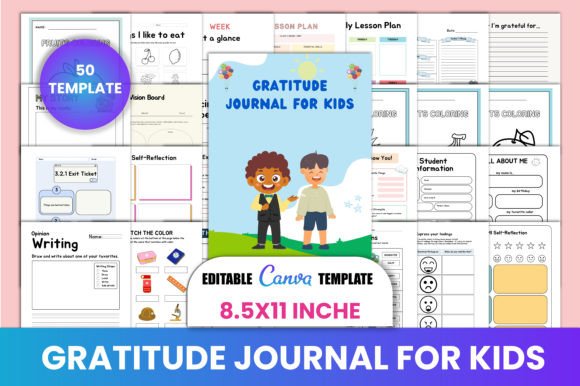
The Gratitude Journal for Kids Interior is more than just a collection of pages—it's a curated set of exercises and prompts that encourage children to explore their thoughts, feelings, and experiences. It includes sections like "This is Me," "My Favorite Season," and "Today I'm Grateful For..." which are designed to spark creativity and critical thinking. Each page is crafted to be both engaging and educational, making it an ideal tool for fostering gratitude and self-awareness in young minds.
One of the key features of this journal is its editability. Users can customize the content using a free Canva account, allowing for personalization based on specific needs or goals. This flexibility makes it suitable for a wide range of applications, from individual use to group activities in schools or community settings.
Integrating the Gratitude Journal for Kids Interior into Daily Routines
For educators and parents, the Gratitude Journal for Kids Interior can be incorporated into daily routines to promote consistency and mindfulness. By setting aside time each day for journaling, children can develop a habit of reflecting on their experiences and expressing gratitude. This practice not only enhances emotional intelligence but also supports cognitive development by encouraging them to articulate their thoughts and feelings.
For example, a teacher might use the "Daily Journal" section to start the day with a quick reflection activity. Students can write about what they're grateful for, what they learned, or what they hope to achieve. This sets a positive tone for the day and helps students focus on the present moment.
Enhancing Learning and Creative Activities
The Gratitude Journal for Kids Interior is particularly useful during learning and creative activities. Its variety of pages, such as "Tracing Numbers," "Fruits Coloring," and "Vision Board," provides opportunities for hands-on engagement and skill-building. These activities can be integrated into lessons on art, math, language, and science, making the journal a valuable supplement to traditional teaching methods.
Additionally, the journal includes prompts that encourage children to explore their interests and preferences. The "Do You Like..." section, for instance, invites them to express their opinions on different topics, promoting critical thinking and decision-making skills. This kind of interactive learning helps children connect with the material on a deeper level and retain information more effectively.
Supporting Personal and Academic Goals
The Gratitude Journal for Kids Interior can also support personal and academic goals by providing a structured way to track progress and reflect on achievements. The "Habit Tracker" and "Weekly Lesson Plan" sections allow children to monitor their habits and set goals for improvement. This feature is especially beneficial for students who are working on developing discipline, time management, and self-regulation skills.
Moreover, the journal includes sections like "PMI Self-Reflection" and "3,2,1 Exit Ticket," which are useful for assessing understanding and identifying areas for growth. These tools help educators and parents gauge a child's progress and provide targeted feedback, ensuring that learning remains focused and effective.
Collaboration and Communication
The Gratitude Journal for Kids Interior can also serve as a communication tool between children, parents, and educators. The "My Family" and "This is My Family" sections encourage children to share information about their family members, promoting social-emotional learning and a sense of belonging. Similarly, the "Student Information" and "Let's Get To Know You" pages provide a space for children to express their identities and interests, helping adults better understand their needs and perspectives.
For educators, the journal can be used as a resource for class notes and lesson planning. The "Class Notes" and "Lesson Plan" sections offer a structured way to document observations, plan activities, and communicate with other teachers or parents. This level of organization ensures that the learning process remains cohesive and aligned with educational objectives.
Long-Term Use and Maintenance
To maximize the benefits of the Gratitude Journal for Kids Interior, it's important to maintain consistency and organization. Parents and educators should encourage children to use the journal regularly and keep it in a designated place. This helps reinforce the habit of reflection and ensures that the journal remains a valuable resource over time.
Additionally, users should take advantage of the high-quality files provided, such as PDF, JPEG, and PNG formats. These files can be printed, shared, or stored digitally, making it easy to access and update the journal as needed. Regular review and revision of the journal entries can also help children track their growth and identify patterns in their thoughts and emotions.
Conclusion
The Gratitude Journal for Kids Interior is a powerful tool that supports the development of gratitude, self-awareness, and emotional intelligence in children. Its practical design, customizable features, and diverse content make it a valuable asset for educators, parents, and children alike. By integrating this journal into daily routines, learning activities, and personal goals, users can create a meaningful and lasting impact on a child's growth and well-being.