Reading Log, Reading Tracker, Book Log: A Modern Tool for Literary Exploration
In an age where digital distractions dominate daily life, the simple act of reading has taken on new significance. Whether you're a professional seeking to expand your knowledge, a student aiming to improve academic performance, or a lifelong learner looking to stay curious, a reliable reading log can be a game-changer. A reading log, reading tracker, or book log is more than just a record of what you've read—it's a tool that helps you track progress, reflect on insights, and maintain a consistent reading habit.
The Evolution of Reading Habits
Over the past decade, reading habits have shifted dramatically. With the rise of e-books, audiobooks, and online articles, people now consume content in more ways than ever before. However, this convenience comes with a challenge: staying focused and maintaining a sense of accomplishment. A reading log offers a structured way to engage with books, whether they’re physical copies, digital files, or audio formats.
Modern readers often juggle multiple projects, from work-related research to personal development goals. A book tracker or reading journal can help organize these efforts, making it easier to see how much time is spent on each book and what you’ve learned from it. This kind of organization is especially valuable for professionals who want to build expertise in specific areas or educators looking to curate reading lists for students.
Why a Reading Log Matters
A reading log isn’t just about tracking books—it’s about building a habit. Studies show that consistent reading improves cognitive function, reduces stress, and enhances empathy. But without a system in place, it’s easy to let reading fall by the wayside. A book log provides a clear framework for setting goals, reflecting on content, and celebrating milestones.
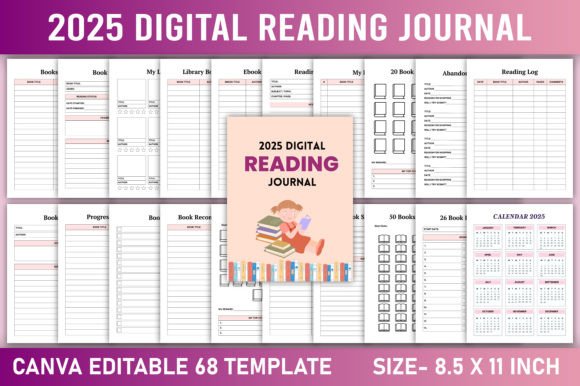
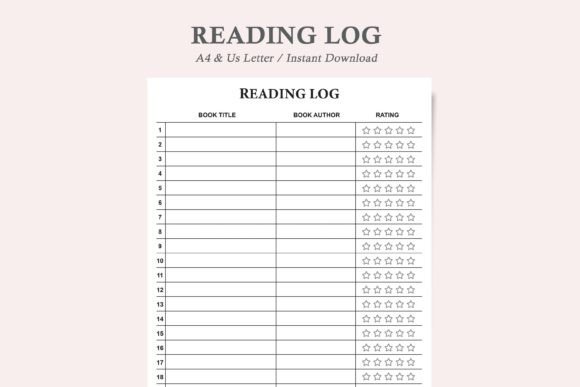
For example, a reading tracker might include sections for book title, author, date started and finished, and a brief summary or rating. This level of detail not only helps you remember what you’ve read but also encourages deeper engagement with the material. It’s a small step that can lead to significant long-term benefits.
Practical Applications for Different Audiences
The value of a reading log extends beyond casual readers. For entrepreneurs and business owners, maintaining a book tracker can be a strategic move. Reading industry-specific books, leadership guides, or market analyses can provide actionable insights that drive success. A reading journal helps ensure that these insights are not only absorbed but also applied.
Writers and creatives also benefit from a book log. Tracking the books that inspire them can help identify patterns in their own work, leading to more intentional writing and better storytelling. Similarly, students and teachers can use a reading log to monitor progress, assess comprehension, and align reading with curriculum goals.
Design and Functionality
When it comes to reading logs, design matters. A well-structured book log should be easy to use, visually appealing, and adaptable to different needs. Many modern reading trackers feature minimalist layouts, ink-friendly designs, and multiple size options—such as Letter (8.5 x 11) and A4—to suit various printing preferences.
Some tools even offer digital versions, like editable PDFs, which allow users to update their logs without needing to print. This flexibility is ideal for those who prefer a hybrid approach, combining the tactile experience of pen and paper with the convenience of digital records.
How to Get Started
Getting started with a reading log is simple. Once you’ve chosen a format—whether it’s a printable reading log, book tracker, or reading journal—you can begin by listing the books you’ve read or plan to read. Use the provided fields to note the title, author, and any observations or ratings. Over time, this log becomes a personal archive of your intellectual journey.
For those who want to take their reading to the next level, consider using a reading log to set monthly or yearly goals. For instance, you might aim to read one book per week or explore a specific genre. The key is to make the process enjoyable and sustainable.
Conclusion
In a world that often prioritizes speed over depth, a reading log serves as a reminder to slow down and savor the written word. Whether you’re a busy professional, a dedicated student, or a curious reader, a book log can help you stay organized, motivated, and engaged. With the right tools—like a reading tracker or book reading journal—you can turn reading into a meaningful and rewarding practice.