Rental Ledger Log Book: Your Essential Tool for Managing Rental Properties
For anyone involved in real estate, whether you're a seasoned landlord or just starting out, keeping track of rental income and expenses is crucial. This is where the Rental Ledger Log Book comes into play. Designed to simplify property management, this tool helps you maintain accurate records, stay organized, and make informed decisions about your rental investments.
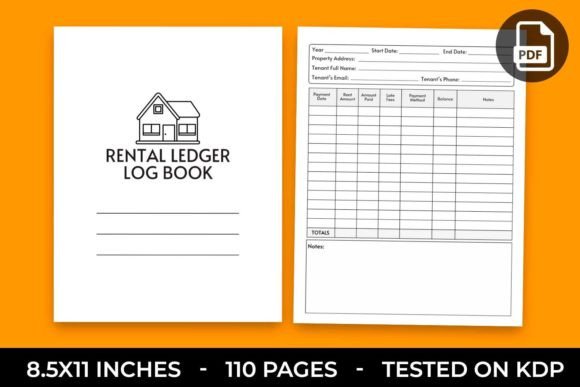
The Rental Ledger Log Book is a comprehensive logbook that allows you to document all aspects of your rental properties. From tenant information and lease terms to rent payments and maintenance requests, it serves as a central hub for all your rental-related data. With its user-friendly design, it's easy to keep up with the day-to-day operations of managing multiple properties without getting overwhelmed.
Challenges Faced by Landlords and How the Rental Ledger Log Book Helps
Managing rental properties can be complex, especially when dealing with multiple tenants and properties. Common challenges include tracking rent payments, handling maintenance issues, and ensuring compliance with local regulations. Without a reliable system in place, these tasks can quickly become overwhelming, leading to missed payments, delayed repairs, and potential legal issues.
The Rental Ledger Log Book addresses these challenges by providing a structured way to organize and monitor your rental activities. It helps you keep track of due dates, payment histories, and communication with tenants, reducing the risk of errors and improving overall efficiency. By having all your information in one place, you can respond to issues more quickly and maintain a professional relationship with your tenants.
Key Features of the Rental Ledger Log Book
Designed with practicality in mind, the Rental Ledger Log Book includes several essential features that make it an invaluable resource for landlords. These include:
- Customizable sections for recording tenant details, lease agreements, and property information.
- Payment tracking to ensure timely rent collection and identify any late payments or discrepancies.
- Maintenance logs to document repair requests, contractor interactions, and costs associated with property upkeep.
- Expense tracking to monitor operating costs, such as utilities, insurance, and property taxes.
These features not only help you stay organized but also provide valuable insights into the financial health of your rental portfolio. By regularly updating the log book, you can analyze trends, budget effectively, and make strategic decisions that enhance your rental income.
Practical Applications of the Rental Ledger Log Book
The Rental Ledger Log Book is particularly useful for landlords who manage multiple properties or have a large number of tenants. It allows you to maintain consistent records across all your rentals, making it easier to compare performance and identify areas for improvement. For example, if one property consistently has higher maintenance costs, you can investigate the cause and take corrective action.
Additionally, the log book can be used to prepare for tax season. Accurate records of income and expenses are essential for claiming deductions and maximizing your profits. By using the Rental Ledger Log Book, you can streamline the process of gathering financial data and ensure that you're compliant with tax regulations.
How Different Users May Approach the Rental Ledger Log Book
While the Rental Ledger Log Book is designed for all types of landlords, different users may find unique ways to utilize its features. For instance, a first-time landlord might focus on tracking rent payments and tenant communication, while an experienced investor could use it to analyze long-term trends and evaluate property performance.
Some landlords may prefer to use the log book in conjunction with digital tools, such as accounting software or property management apps, to create a more comprehensive system. Others may choose to use it as a standalone resource, relying on its simplicity and portability for quick updates and reference.
Recommendations for Maximizing the Benefits of the Rental Ledger Log Book
To get the most out of the Rental Ledger Log Book, it's important to establish a routine for updating and reviewing your entries. Set aside time each week to record new transactions, note any changes in tenant information, and update maintenance records. This habit will ensure that your log book remains an accurate and reliable source of information.
Another recommendation is to use the log book as a communication tool with your tenants. By documenting all interactions, including messages, calls, and written correspondence, you can refer back to them if needed and maintain a clear record of your communications. This can be especially helpful in resolving disputes or addressing concerns promptly.
Finally, consider using the Rental Ledger Log Book to plan for future investments. By analyzing your rental income and expenses over time, you can identify opportunities for growth and make informed decisions about expanding your property portfolio. Whether you're looking to purchase additional properties or improve existing ones, the log book can serve as a valuable guide in your real estate journey.
In conclusion, the Rental Ledger Log Book is an essential tool for any landlord looking to streamline their property management process. By providing a structured way to track income, expenses, and tenant interactions, it helps you stay organized, make informed decisions, and maximize your rental income. Whether you're just starting out or have years of experience, this log book can be a valuable asset in your real estate endeavors.