30 Day Challenge: A Practical Path to Consistent Growth
The 30 Day Challenge has become a popular framework for individuals seeking to build habits, develop skills, or make meaningful changes in their personal or professional lives. By setting a clear, time-bound goal, this approach offers a structured way to focus efforts and track progress. Whether you're aiming to improve your health, boost productivity, or refine a creative practice, the 30 Day Challenge provides a manageable and actionable path forward.
Understanding the 30 Day Challenge
A 30 Day Challenge is typically a set of tasks, routines, or goals designed to be completed over a month. It’s not just about short-term effort—it’s about creating a foundation for long-term change. The challenge often includes daily or weekly actions that encourage consistency, such as reading a certain number of pages, practicing a skill, or maintaining a specific habit.
What makes the 30 Day Challenge worth considering is its balance between simplicity and impact. Unlike open-ended goals that can feel overwhelming, a 30-day structure provides a clear endpoint and a sense of urgency. This helps maintain motivation and reduces the likelihood of procrastination or burnout.
Key Characteristics and Purpose
The primary purpose of a 30 Day Challenge is to establish a habit or achieve a specific outcome through repeated action. The challenge works best when it’s tailored to individual needs and aligned with realistic expectations. For example, someone looking to improve their writing might commit to writing 500 words daily, while a fitness enthusiast might follow a 30-day workout plan.
One of the defining features of the challenge is its emphasis on discipline and accountability. By setting a fixed timeline, participants are more likely to stay committed. This is especially valuable for those who struggle with consistency or have difficulty maintaining long-term goals.
Strengths and Practical Value
The 30 Day Challenge excels in several areas. First, it’s adaptable. Whether you’re a busy professional, a student, or a creative, you can customize the challenge to fit your lifestyle. Second, it promotes a sense of accomplishment. Completing a challenge gives a tangible reward that reinforces positive behavior.
Another strength is its ability to create momentum. Once a habit is formed during the challenge, it’s easier to continue beyond the 30 days. This makes the challenge an effective tool for initiating lasting change. Additionally, the structured nature of the challenge helps users avoid distractions and stay focused on their objectives.
Real-World Performance and Effectiveness
In practice, the success of a 30 Day Challenge depends largely on how it’s designed and executed. Challenges that are too ambitious or vague may lead to frustration, while those that are well-defined and achievable tend to yield better results. For instance, a challenge to write a blog post every day for 30 days can significantly improve writing skills, but only if the participant remains consistent.
Users often report increased confidence and clarity after completing a challenge. The process of tracking progress and reflecting on outcomes can also provide valuable insights into personal strengths and areas for improvement. However, it’s important to note that the challenge is most effective when paired with self-awareness and a willingness to adjust strategies as needed.
Quality, Usability, and Flexibility
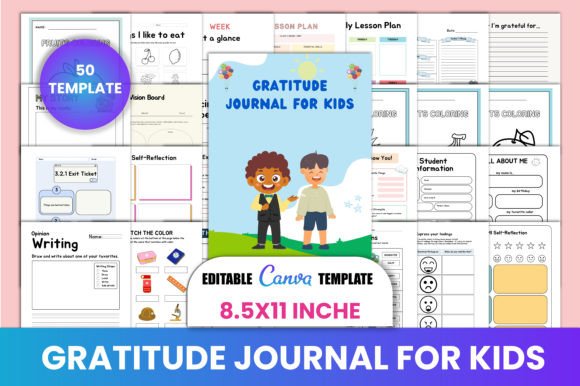
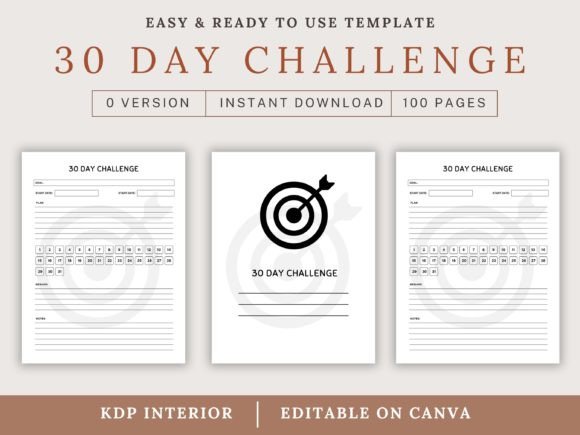
When evaluating the quality of a 30 Day Challenge, factors like clarity, organization, and relevance play a key role. A well-designed challenge should include clear instructions, measurable goals, and resources that support the user’s journey. For example, a challenge that comes with downloadable materials, such as Canva editable files or PDF guides, can enhance usability by providing structured support.
Flexibility is another important consideration. While the challenge has a defined timeframe, it should allow for adjustments based on individual circumstances. This ensures that users can adapt the challenge without feeling restricted or discouraged.
Reliability and Long-Term Value
The reliability of a 30 Day Challenge is closely tied to its design and execution. A challenge that is overly rigid or lacks clear guidance may not deliver consistent results. On the other hand, a well-crafted challenge that balances structure with adaptability can provide lasting value.
From a long-term perspective, the challenge serves as a stepping stone toward sustained growth. The habits developed during the 30 days can evolve into lifelong practices, contributing to ongoing personal or professional development. This makes the challenge not just a temporary exercise, but a foundation for future success.
Who Benefits Most from the 30 Day Challenge?
The 30 Day Challenge is particularly beneficial for professionals, entrepreneurs, and creatives who need to build discipline and consistency. It can help marketers refine their content strategies, educators improve their teaching methods, and freelancers develop new skills. For small business owners, the challenge can be a useful tool for testing ideas, improving processes, or enhancing customer engagement.
Individuals who are serious about self-improvement, whether through fitness, learning, or creativity, will find the challenge highly applicable. It’s also ideal for those who want to experiment with new habits without committing to a long-term program.
Professional Observations and Recommendations
As someone who has evaluated various tools and resources for personal and professional growth, I’ve found that the 30 Day Challenge stands out for its practicality and effectiveness. It’s not a one-size-fits-all solution, but when properly implemented, it can deliver measurable results.
For best results, it’s important to choose a challenge that aligns with your goals and capabilities. Start with something manageable, and gradually increase the difficulty as you build confidence. Tracking progress through journals, apps, or visual aids can also enhance the experience and reinforce accountability.
One limitation to consider is that the challenge may not be suitable for everyone. Some individuals may find the structure too restrictive, while others may struggle with maintaining motivation. In such cases, it’s helpful to break the challenge into smaller, more digestible parts or combine it with other strategies for better outcomes.
Final Thoughts on the 30 Day Challenge
The 30 Day Challenge is a powerful tool for anyone looking to make meaningful changes in their life. Its structured approach, combined with a focus on consistency and discipline, makes it an effective way to build habits and achieve goals. Whether you’re aiming to improve your health, boost productivity, or develop a new skill, the challenge offers a practical and accessible path forward.
By choosing the right challenge and staying committed, you can unlock new possibilities and create lasting impact. The 30 Day Challenge isn’t just about what you accomplish in a month—it’s about laying the groundwork for continued growth and success.